

The district administration has imposed a complete ban on travel to Churdhar from December 1 until April, citing safety concerns amid harsh winter conditions. Violators will face strict legal action during this period.
Sub Divisional Magistrate Chopal Hem Chand Verma stated that the administration has taken this decision after the temple closure, considering devotee safety and public interest. The Churdhar temple will remain closed for devotees from December 1 to April, as has been the practice annually.
“If anyone undertakes the Churdhar trek during the ban period, strict action will be taken against them,” the SDM warned, emphasizing that the prohibition order must be followed for everyone’s safety.
Treacherous winter conditions
During winter months, the region experiences heavy snowfall, creating slippery trails and extreme cold conditions that make the Churdhar temple route extremely dangerous. The likelihood of accidents increases significantly during this period. Last year, travelers repeatedly faced difficult circumstances in such weather conditions.
The administration has made this decision keeping these inconveniences and safety hazards in mind. The trek to the high-altitude shrine becomes particularly perilous due to icy paths, poor visibility, and the risk of sudden weather changes that can trap devotees in life-threatening situations.
Legal consequences for violations
The SDM clarified that if any person violates the order, strict legal action will be taken against them as per rules. He appealed to devotees and tourists to comply with administrative orders and refrain from visiting Churdhar until the temple gates reopen, keeping everyone’s safety in consideration.
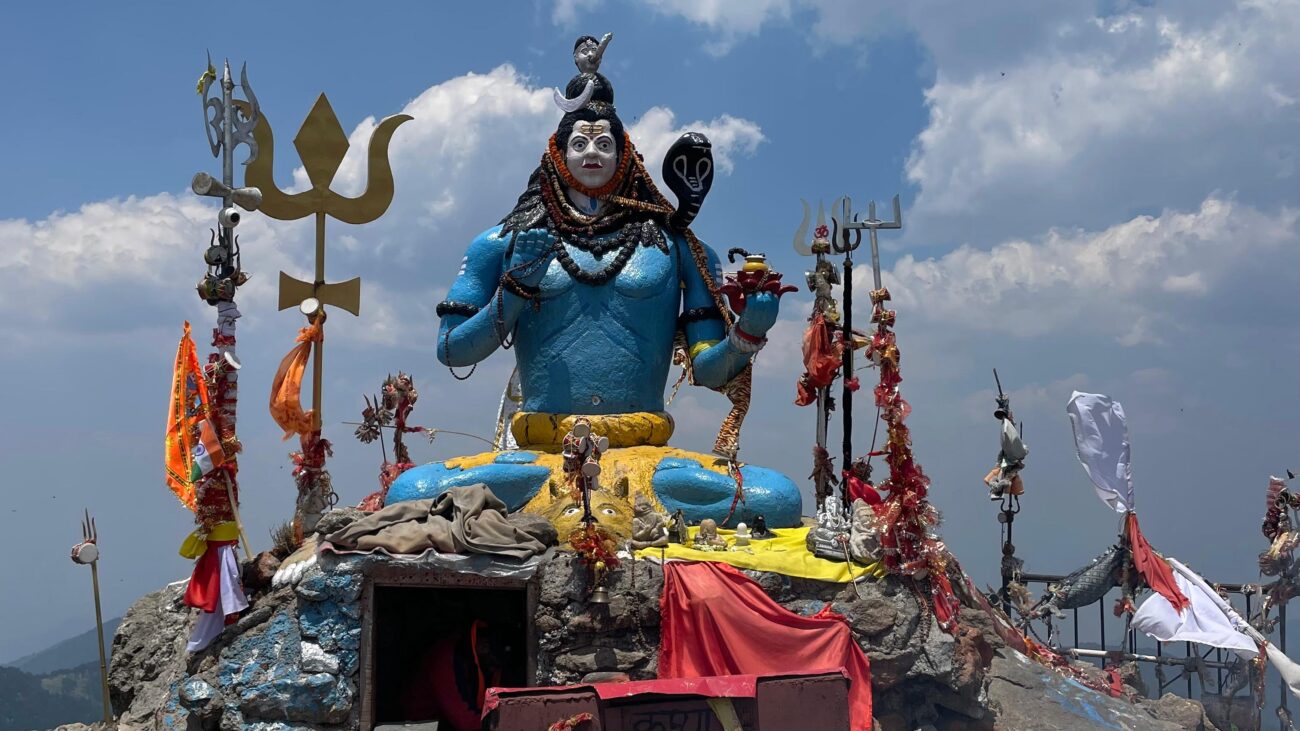
Located at an elevation of 3,647 meters (11,965 feet) in Sirmaur district, Churdhar is one of Himachal’s most revered pilgrimage sites, dedicated to Lord Shiva. The temple attracts thousands of devotees during the trekking season, but winter conditions make the approximately 14-kilometer trek from Nohradhar extremely hazardous.
The administration’s firm stance on enforcing the ban reflects growing concerns about rescue operations becoming increasingly difficult and dangerous for both stranded trekkers and rescue personnel during winter months at such high altitudes.