

Himachal Pradesh is taking a structured step toward strengthening solid waste management in its rural areas, with panchayats now set to collect a user charge — essentially a garbage collection fee — from households and commercial establishments within their jurisdiction.
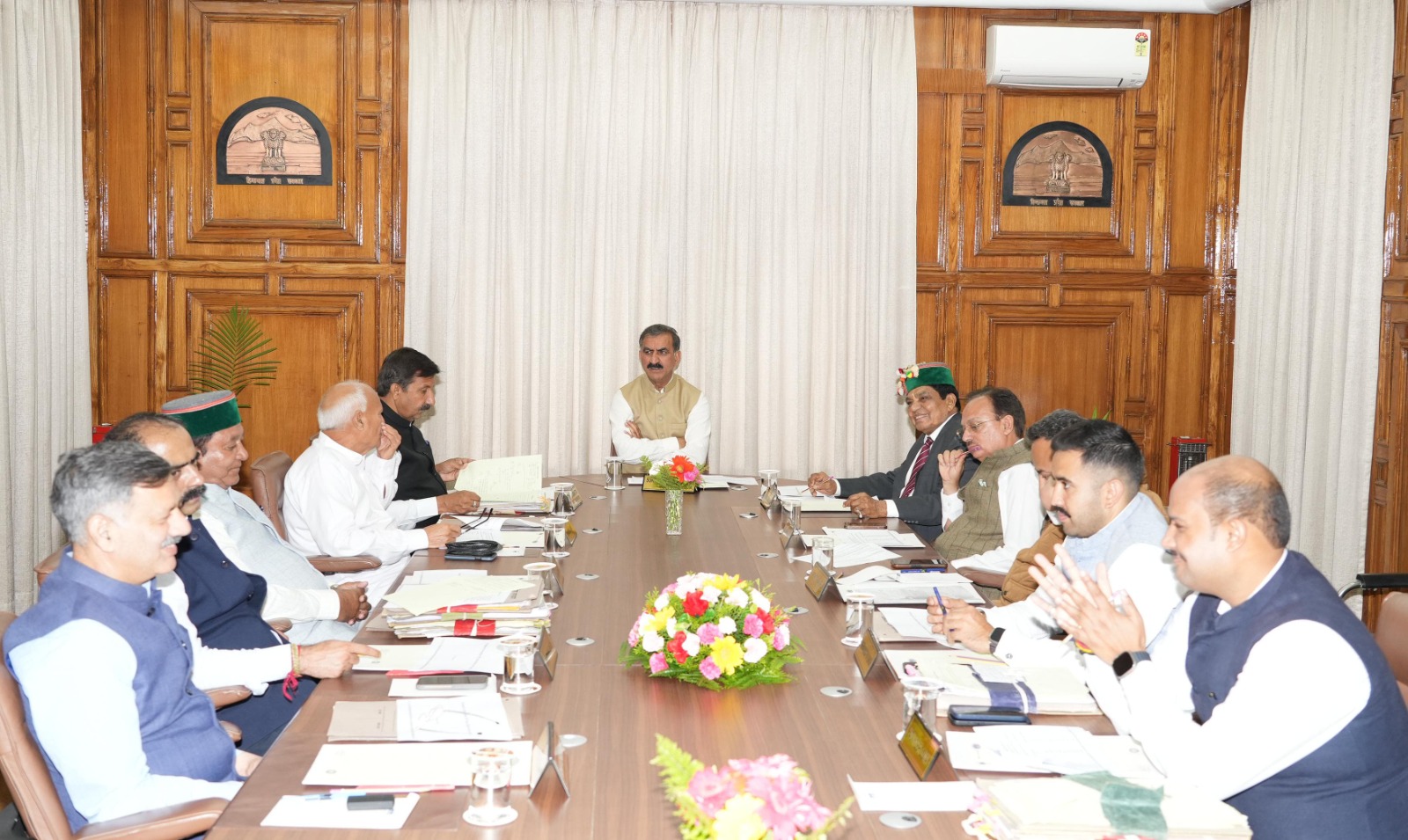
The Block Development Officer (BDO), Dehra, has issued strict directions to all panchayat secretaries in compliance with the Model Bye-laws 2026, making it clear that any negligence in implementing these rules will make the concerned panchayat secretary directly accountable.
How the fee will be fixed and collected
In panchayats where the user charge has not yet been determined, the fee will be decided through a resolution passed at a Gram Sabha or panchayat meeting. Following this, each panchayat will conduct a survey of all households and commercial establishments within its limits and prepare a comprehensive list.
Every panchayat will be required to open a dedicated bank account for collecting this fee, with all collected amounts to be deposited by the next working day. The funds can only be used for sanitation-related work, remuneration of Safai Mitras, and waste management activities. Amit Jasrotia, state president of the Panchayat Secretaries Association, has confirmed receipt of these directions from the BDO.
Monthly fee rates by category
The fee structure prescribed under the bye-laws is as follows:
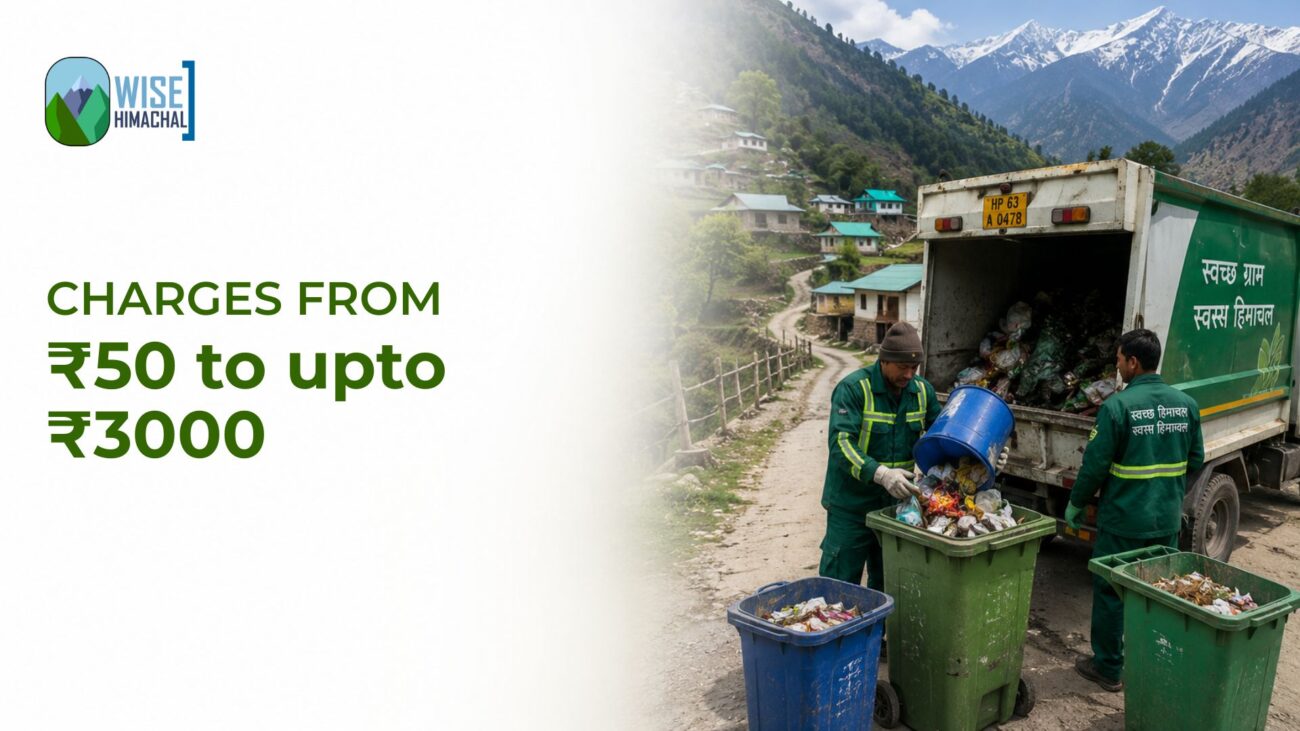
Regular rural households will be charged ₹50 per month. General shops, dhabas, tea and sweet shops, and small offices will pay ₹100 per month. Wholesale fruit and vegetable traders, large offices, bakery units, and vehicle repair workshops will be charged ₹500 per month. Larger establishments such as banks, restaurants, marriage halls, cinema halls, and hospitals with more than 50 beds will be charged between ₹1,000 and ₹3,000 per month.
The move is aimed at creating a self-sustaining financial model for rural sanitation, reducing dependence on government grants for day-to-day waste management operations at the panchayat level.