

Himachal Pradesh government has empowered five departments to take action against shopkeepers selling loose cigarettes, with violators liable to pay a fine of Rs 5,000. The Health and Family Welfare Department has issued a notification that comes into effect immediately, allowing designated officers to collect penalties on the spot from those violating the law.
The five departments authorized to enforce the ban and impose fines are the Health Department, Taxation and Excise Department, Home Department, Rural Development and Panchayati Raj Department, and Urban Development Department. This multi-departmental approach aims to ensure effective enforcement across urban, rural, and peri-urban areas of the state.
Within the Health Department, Block Medical Officers, Senior Medical Officers, Food Safety Officers, and Drug Inspectors have been empowered to take action against violators. From the Home Department, police officers of the rank of Assistant Sub-Inspector and above can impose penalties. The Urban Development Department has authorized officials from municipal corporations, municipal councils, and at the panchayat level to act against shops selling loose cigarettes.
The immediate implementation of the notification means that enforcement can begin right away without any transition period. Officers from the designated departments can visit shops, identify violations, and collect the Rs 5,000 fine on the spot. This on-the-ground enforcement mechanism is designed to act as a strong deterrent against the widespread practice of selling loose cigarettes.
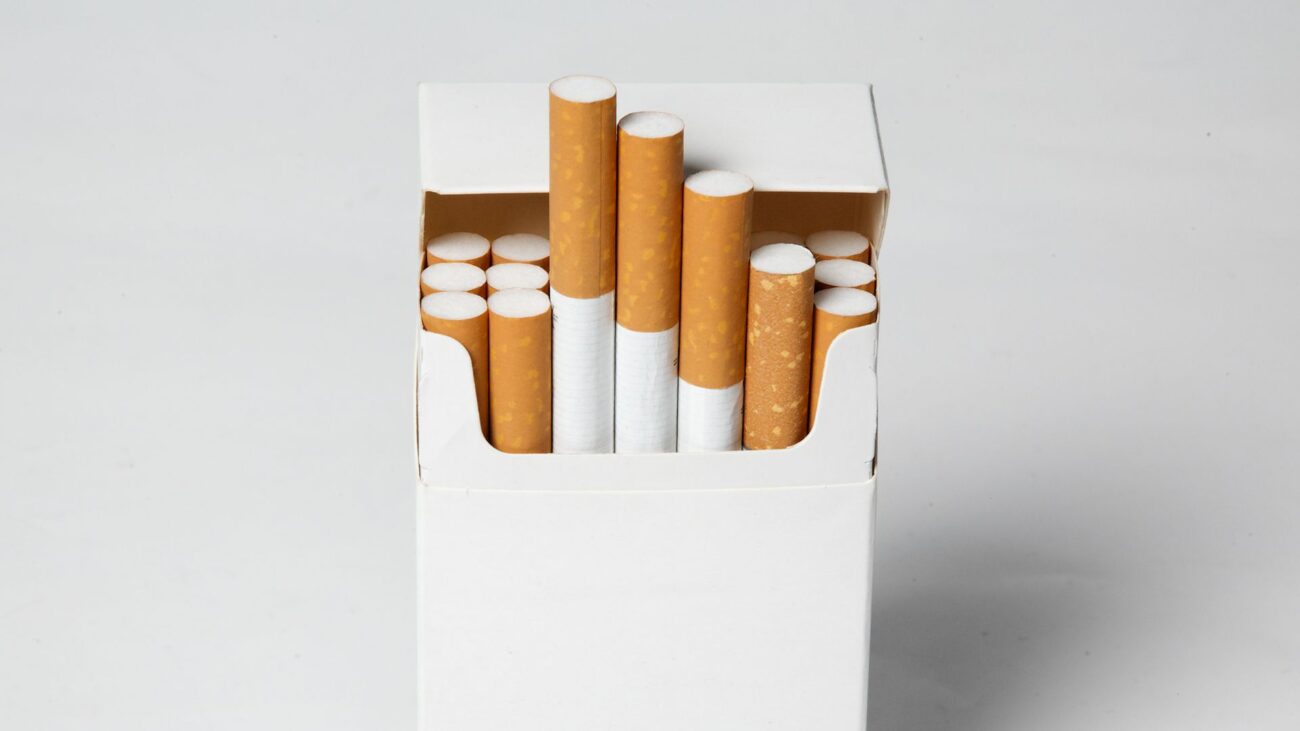
The sale of loose cigarettes has been a persistent problem across India despite existing regulations. The Cigarettes and Other Tobacco Products Act (COTPA) 2003 mandates that cigarettes can only be sold in sealed packs with statutory health warnings. However, small shops and street vendors routinely sell individual cigarettes, making tobacco products more accessible and affordable, particularly to minors and economically weaker sections.
Government’s decision to impose a substantial Rs 5,000 penalty and enable on-the-spot fine collection represents a serious effort to curb this illegal trade. The involvement of multiple departments ensures that enforcement is not limited to health officials alone but extends to law enforcement, excise authorities who regulate tobacco sales, and local civic bodies that interact regularly with neighborhood shops.
The empowerment of panchayat-level officials is particularly significant for rural areas where health department presence may be limited. Local panchayat authorities, being closer to ground realities and familiar with shops in their jurisdictions, can play an effective role in identifying and penalizing violators. Similarly, police officers above the rank of Assistant Sub-Inspector bring law enforcement authority to the anti-tobacco drive.
Public health experts have long advocated for strict enforcement of tobacco sale regulations, arguing that loose cigarette sales significantly contribute to smoking initiation among youth. When cigarettes are available individually at low prices, experimentation becomes easier, potentially leading to nicotine addiction. The practice also circumvents the visual impact of statutory health warnings printed on cigarette packs, which are designed to inform consumers about the severe health risks of tobacco use.